
She reminds him again, her voice light, to shower and change. A friend who calls regularly is due. A driver, not him, a dragon at their gates, appears to be using their entrance to turn around. Strangers do this, saturating his reason with irritation. If he heard them slow or stop, perhaps in scenic bliss, and his sighting of them from vantage points was opaque, he would sometimes scoot outside to squint over the high fence. During election campaigns, locals, loud, horrendous, outnumber them and their friends politically. Now he watches a convoy of cars parking on crown land he keeps stick-free, grass he mows resembling a park, tidy, the way he tries to maintain the house. There are two canoe trees on the property, and he has been visited by a pleasant indigenous man collating information about them. A nearby historic cairn attracts tourists also looking to the past, and car rally navigators ticking off the plaque’s data. Those enthusiasts’ need to hurry on crank up his approval.
They bought the old house cheaply at auction, tumbledown buildings of the kind you might imagine on a cliff above a river – like it is – in a painting depicting pioneer days. Sunlight speckling through numerous trees, both within their haven, and lining the narrow road where they would dwell, he pictured their children romping. ‘Mothering Heights’ he quipped but she, organised, had shot him an impatient look. Birdsong. Cicadas. Butterflies. Bees. In the distance, more trees. Everywhere, trees, and the perfume of grass after overnight rain as beckoning dawn breaks. When they moved in he was unweighted by the years to come, his high blood pressure, the needy drinking, thinking it a perfect landfall. Having produced their anthology of children, he would write, and intensively read, sharing the language of authors.
Realising hope impels us as we strive to live our dreams, he should have known there is no exact blueprint for happiness. While she applied herself to professional studies, he changed nappies and wrote everything down in a crabbed hand of enquiry, often thinking she would like to always be studying. She had to be the maestra in order to earn enough for them. Meanwhile, without him, she would have needed a nanny, and if he had her strength and capabilities, he wouldn’t need her. The new term ‘house-husband’ embarrassed him slightly, but he loved the idea of farmers as neighbours, no more dark streets, the way others saw them as a storybook family, and trees bathed in light, the seclusion. Oh, the seclusion.
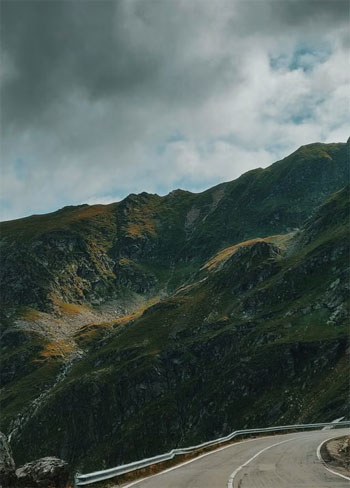
Setting out like hopeful emigrants, it took eight hours driving, day dimming into night through limitless space so the children would sleep. After starting with I Spy, their fractious offspring finally stilled, Play School tapes having reached repetition’s vanishing point, they drove in traffic thinned, ascending different terrain, a range straddling two states. Occasional headlights coming their way crisscrossed for long periods like wartime searchlights in movies, or an art installation. Suffused with a kind of heaviness, he knew he would remember this light show, these fragments, when old, when adventure had ended, a yet to be named, so, unknown to him, goon squad visit.
Past midnight through slumbering mountain hamlets with quaint names he would recall for years, she also slept, exhausted like the children by upheaval. He played a tape down low, jazz gems, exhilarated by Coltrane’s tenor sax, yet melancholic. During A Love Supreme’s long track it occurred to him they rarely kissed or caressed now. He wondered if she dreamt sad dreams. His hope that they could thrust aside mishaps, concentrate on life’s teeming possibilities, including their two paddocks, perfect for pet donkeys, seemed tenuous. Nearing their destination, his precious cargo began to rouse. He couldn’t know on that bright morning how negligence of love’s demands as the thresh of years curled away would undermine his vision as chronicler, how grown children hook onto their own dreams, resenting parental schisms, with no passports guaranteeing entitlement to contentment.
Surviving affliction from a torrid parentless youth, he soothes a harp of nerves appreciating crows’ presence in the jacaranda filling a living-room window view, and the photographic record of children unto adulthood. Adrift in a memory of that night music so long ago he lingers on their mountain crossing, a blurred absence like a silenced bell. Re-entering the present, he glares at those people outside, gathered afoot now, a small mob. A sentinel in his outpost muttering a fusillade of withering witticisms, he considers this scene for his current story partly told. She never comments on his work that editors like, roughly drafted in biro, calligraphic wreaths of hope on paper before their careful editing, typing, and filing. Staring outside, belated recognition. Gas pedal rush. He brims with humility remembering his birthday soon. Grateful, lucky, breaking into yet another sweat, he hastens to the shower.