
The Sweet Story of Imbuya and Ulude
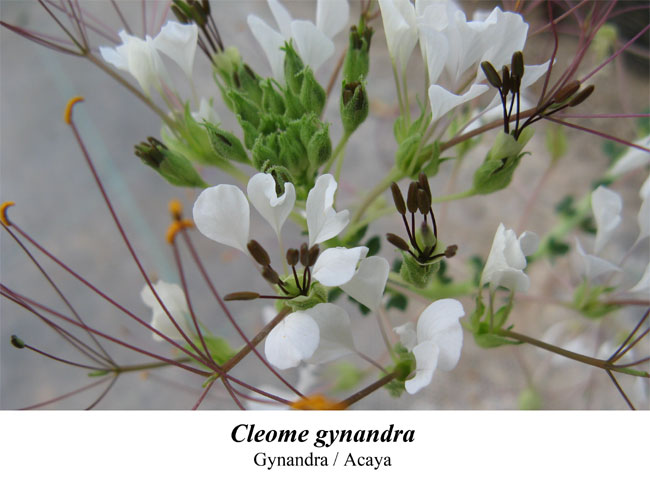
Known as imbuya in isiNdebele,
isiZulu or isiXhosa, and Mowa
in chiShona, Thepe in Sepedi
or Setswana,or Sesotho; or wild
spinach or amaranth or pigweed
in English—this vastly nourishing wild
leafy green vegetable is generally found
in Zimbabwe and South Africa and other
African nations. Rich in calcium, iron and protein,
it is an annual plant. It breeds in warm conditions.
What do you call imbuya in your language or country?
If imbuya or amaranth has a mild taste
(which is fairly comparable to spinach),
and is easy or hassle-free and fast to cook;
ulude or African spider plant, cleome gynandra,
or murudi in Tshivenda, nyevhe in chiShona, lerotho
in Sepedi, bangala in Xitsonga, gagani in kiSwahili,
thageti in Kikuyu, tsisaka in Luhya, alot-dek in Luo,
saget in Kalenjin, chinsaga in Kisii, mwianzo in Kamba,
Jjobyu in Luganda, yobyu in Lusoga -- on the other hand,
is hostile, bitter, peppery in taste; and strong in smell,
and needs a comparatively longer boiling time in order
to diminish its bitterness. If imbuya is friendly, ulude
is unfriendly! It’s intimidating to the taste buds and time.
What do you call ulude in your language or country?
In spite of its bitterness, it seems to be growing
on a number of the taste buds of Zimbabweans,
South Africans, Zambians, Tanzanians, Kenyans
and Ugandans. Its consumers are increasing in number.
Why is this crop gaining approval or popularity in rural areas
of East and Southern Africa? At one point it was considered
a mere weed in a majority of African nations, but the story of ulude
has interestingly changed for the better now. Its status has grown.
Today it is regarded as a cherished nutritious food source and income
for local people. Remember, it grows well in wild or abandoned fields,
along roadsides, and in spaces where the soil has not been disturbed?
Now we are talking of a vegetable that does not only have a highly
nourishing value, but also, is widely consumed and is beneficial as
a commercial plant or flower. In the aforementioned countries,
its flowers are boiled and devoured as a relish, potherb, stew,
or side dish. The African spider plant leaves can be exploited
or used in fresh form or dried and ground into an easily conserved
residue or powder. Since the leaves are bitter, these are sometimes
cooked with milk or vegetables. This is a beautiful story of a bitter herb,
a vegetable or a wild-growing weed! In fact, this is an interesting short story
of a once- tolerated weed that has recently transitioned into a cultivated crop!
A gorgeous turn of events for a wild-growing weed whose nutritional value takes
in vitamin C, calcium, iron, folic acid and magnesium.
Doesn’t this spider plant, plant thoughts or ideas of surliness into your mind?
With a nasty tang, ulude is usually favored by people who relish more robust
greeneries. Both vegetables or herbs are high in vitamins and iron. If imbuya
is synonymous with softness, ulude is an antithesis that embodies harshness.
We are talking of something that walks the talk of ruggedness or roughness.
Oh, call it horror!
isiZulu or isiXhosa, and Mowa
in chiShona, Thepe in Sepedi
or Setswana,or Sesotho; or wild
spinach or amaranth or pigweed
in English—this vastly nourishing wild
leafy green vegetable is generally found
in Zimbabwe and South Africa and other
African nations. Rich in calcium, iron and protein,
it is an annual plant. It breeds in warm conditions.
What do you call imbuya in your language or country?
If imbuya or amaranth has a mild taste
(which is fairly comparable to spinach),
and is easy or hassle-free and fast to cook;
ulude or African spider plant, cleome gynandra,
or murudi in Tshivenda, nyevhe in chiShona, lerotho
in Sepedi, bangala in Xitsonga, gagani in kiSwahili,
thageti in Kikuyu, tsisaka in Luhya, alot-dek in Luo,
saget in Kalenjin, chinsaga in Kisii, mwianzo in Kamba,
Jjobyu in Luganda, yobyu in Lusoga -- on the other hand,
is hostile, bitter, peppery in taste; and strong in smell,
and needs a comparatively longer boiling time in order
to diminish its bitterness. If imbuya is friendly, ulude
is unfriendly! It’s intimidating to the taste buds and time.
What do you call ulude in your language or country?
In spite of its bitterness, it seems to be growing
on a number of the taste buds of Zimbabweans,
South Africans, Zambians, Tanzanians, Kenyans
and Ugandans. Its consumers are increasing in number.
Why is this crop gaining approval or popularity in rural areas
of East and Southern Africa? At one point it was considered
a mere weed in a majority of African nations, but the story of ulude
has interestingly changed for the better now. Its status has grown.
Today it is regarded as a cherished nutritious food source and income
for local people. Remember, it grows well in wild or abandoned fields,
along roadsides, and in spaces where the soil has not been disturbed?
Now we are talking of a vegetable that does not only have a highly
nourishing value, but also, is widely consumed and is beneficial as
a commercial plant or flower. In the aforementioned countries,
its flowers are boiled and devoured as a relish, potherb, stew,
or side dish. The African spider plant leaves can be exploited
or used in fresh form or dried and ground into an easily conserved
residue or powder. Since the leaves are bitter, these are sometimes
cooked with milk or vegetables. This is a beautiful story of a bitter herb,
a vegetable or a wild-growing weed! In fact, this is an interesting short story
of a once- tolerated weed that has recently transitioned into a cultivated crop!
A gorgeous turn of events for a wild-growing weed whose nutritional value takes
in vitamin C, calcium, iron, folic acid and magnesium.
Doesn’t this spider plant, plant thoughts or ideas of surliness into your mind?
With a nasty tang, ulude is usually favored by people who relish more robust
greeneries. Both vegetables or herbs are high in vitamins and iron. If imbuya
is synonymous with softness, ulude is an antithesis that embodies harshness.
We are talking of something that walks the talk of ruggedness or roughness.
Oh, call it horror!
Selective Cowardice, Dupes and Troubles
“Ugegelela imbuya wesaba ulude" is an isiNdebele saying or proverb that refers
to a soul who takes pleasure in bullying or behaving hostilely or unfairly toward
someone or something weaker or smaller in scope or means, while fearful
or evasive of someone stronger, or of the same stature, size, age, class and capital.
Sounds familiar, doesn’t it? It’s relevant today. The ulude flowers we need today
are the tender, nutritious, herbal leaves, not the notorious ones that bully our
taste buds without plausible reason or gain? The leaves that transition with time.
Our elders’ wisdom or knowledge is a heritage we can draw on and outgrow bad
habits, appetites, and egos, and create a better (not bitter and broken) world
for ourselves and future generations.
The message is clear and relevant. Think of cantankerous nations and characters,
and their history and antics. Do cowards or weaklings size up or square up against
their equals or agemates? Do they look for their perfect match or they always
bully or victimize the innocent or the vulnerable minnows? Victimhood
of kids, women, small and poor nations and communities, should or must
give way to a neighborhood of mutual respect, freedom, security and peace.
Think of young ulude shoots, loved for their nutritional contribution to humanity,
union, healing and viable and financial upliftment of communities and countries.
Why? Because betterment is obviously better and nobler than bitterness or bullying.
I saw a man who had a silent hand saw. He had a sore, furious finger
because the unsharpened saw was wayward, wild, slippery and sharp
enough to crack and burrow into his delicate skin in place of wood.
His skin: the easy prey, the easy target, the cooked amaranth.
The same saw that was too blunt to hack off tree branches!
The senseless hurtful hand saw saw it fit to make a lesion
on his arm. What rudeness! Didn’t it know how to cut
through strong steel sheets? Didn’t it have a tensioned nut
or a transposable blade? Metal to metal. Not metal to skin!
The water always streams down, so observed
the wise elders. The saw is like cascading water.
The tree cutter felt angry with the saw. He was sore.
to a soul who takes pleasure in bullying or behaving hostilely or unfairly toward
someone or something weaker or smaller in scope or means, while fearful
or evasive of someone stronger, or of the same stature, size, age, class and capital.
Sounds familiar, doesn’t it? It’s relevant today. The ulude flowers we need today
are the tender, nutritious, herbal leaves, not the notorious ones that bully our
taste buds without plausible reason or gain? The leaves that transition with time.
Our elders’ wisdom or knowledge is a heritage we can draw on and outgrow bad
habits, appetites, and egos, and create a better (not bitter and broken) world
for ourselves and future generations.
The message is clear and relevant. Think of cantankerous nations and characters,
and their history and antics. Do cowards or weaklings size up or square up against
their equals or agemates? Do they look for their perfect match or they always
bully or victimize the innocent or the vulnerable minnows? Victimhood
of kids, women, small and poor nations and communities, should or must
give way to a neighborhood of mutual respect, freedom, security and peace.
Think of young ulude shoots, loved for their nutritional contribution to humanity,
union, healing and viable and financial upliftment of communities and countries.
Why? Because betterment is obviously better and nobler than bitterness or bullying.
I saw a man who had a silent hand saw. He had a sore, furious finger
because the unsharpened saw was wayward, wild, slippery and sharp
enough to crack and burrow into his delicate skin in place of wood.
His skin: the easy prey, the easy target, the cooked amaranth.
The same saw that was too blunt to hack off tree branches!
The senseless hurtful hand saw saw it fit to make a lesion
on his arm. What rudeness! Didn’t it know how to cut
through strong steel sheets? Didn’t it have a tensioned nut
or a transposable blade? Metal to metal. Not metal to skin!
The water always streams down, so observed
the wise elders. The saw is like cascading water.
The tree cutter felt angry with the saw. He was sore.
Image credit: Pau Pámies Grácia via Wikipedia CC BY-SA 4.0